
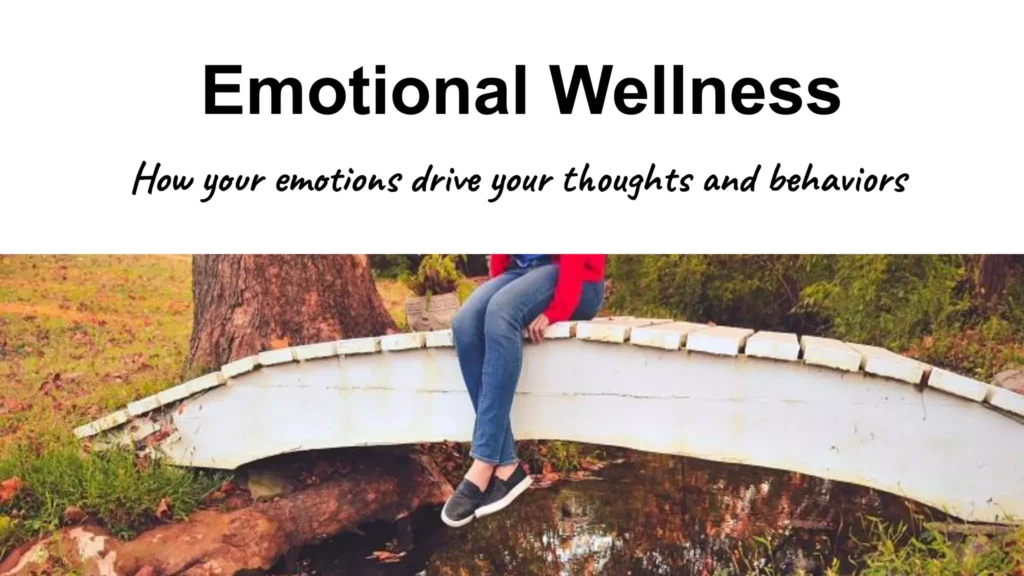
In a world that moves faster than ever, emotional wellness is often overlooked. People focus heavily on physical health, career achievements, and social responsibilities, yet the emotional foundation that supports all of these areas is frequently neglected. Emotional wellness affects how we think, feel, respond, behave, and connect with others. It influences our choices, our resilience, and even our physical health.
Many people recognize when they feel stressed, sad, or overwhelmed—but understanding why these emotions occur and learning how to manage them is an entirely different matter. Emotional wellness is not about avoiding difficult emotions; rather, it is about developing the ability to navigate them in healthy, supportive, and empowering ways.
What Is Emotional Wellness?
Emotional wellness refers to the ability to understand your emotions, cope with life’s challenges, build meaningful relationships, and maintain a balanced inner life. It is not a constant state of happiness; instead, it is the ability to stay grounded, flexible, and self-aware, even when life becomes stressful.
Why Emotional Wellness Matters
Emotional wellness impacts nearly every aspect of life, including:
1. Physical Health
Stress, anxiety, and emotional suppression can lead to headaches, sleep problems, weakened immunity, digestive issues, and cardiovascular strain. Emotional wellness supports physical wellness.
2. Relationships
Healthy emotional regulation helps people communicate clearly, resolve conflicts, and build trust. Poor emotional wellness often results in misunderstanding, emotional withdrawal, or explosive reactions.
3. Decision-Making
When emotions overwhelm the mind, decisions become impulsive or fear-driven. Emotional wellness creates clarity, enabling thoughtful and empowered choices.
4. Resilience
Emotionally well individuals bounce back more quickly after challenges. They see obstacles as manageable rather than catastrophic.
5. Self-Esteem
Understanding and accepting emotions supports a more compassionate and confident relationship with oneself.
Common Challenges That Affect Emotional Wellness
Several factors can disrupt emotional balance, including:
1. Childhood Experiences
Early environments shape emotional regulation skills. Lack of emotional support, inconsistent caregiving, or trauma can make adulthood more challenging.
2. Chronic Stress
Ongoing work pressure, financial stress, caregiving responsibilities, or relationship tension can overwhelm the emotional system.
3. Cultural Expectations
Some cultures encourage emotional resilience but discourage emotional expression, leading individuals to suppress their feelings.
4. Major Life Transitions
Retirement, moving, marriage, divorce, parenthood, and aging can all challenge emotional stability.
5. Trauma
Traumatic events—whether recent or from the past—can deeply affect emotional wellness and may require professional support.
6. Mental Health Concerns
Conditions such as anxiety, depression, bipolar disorder, ADHD, and trauma-related disorders can impact emotional regulation.
Steps Toward Improving Emotional Wellness
The good news is that emotional wellness is a skill that can be strengthened. With awareness, practice, and support, individuals can create meaningful, lasting change.
How Emotional Wellness Impacts Everyday Life
When emotional wellness improves, people often notice changes in:
Relationships
Better communication and reduced conflict.
Work Performance
Greater focus, creativity, and productivity.
Body Awareness
Reduced physical tension and improved sleep.
Decision-Making
More clarity and confidence.
Self-Understanding
A deeper sense of purpose and identity.
People begin to feel more grounded, more present, and more capable.
Final Thoughts
Emotional wellness is not a luxury—it is essential for a fulfilling life. When we understand our emotions and learn how to care for them, we strengthen our inner foundation. We become more resilient, more compassionate, and more connected to ourselves and others.